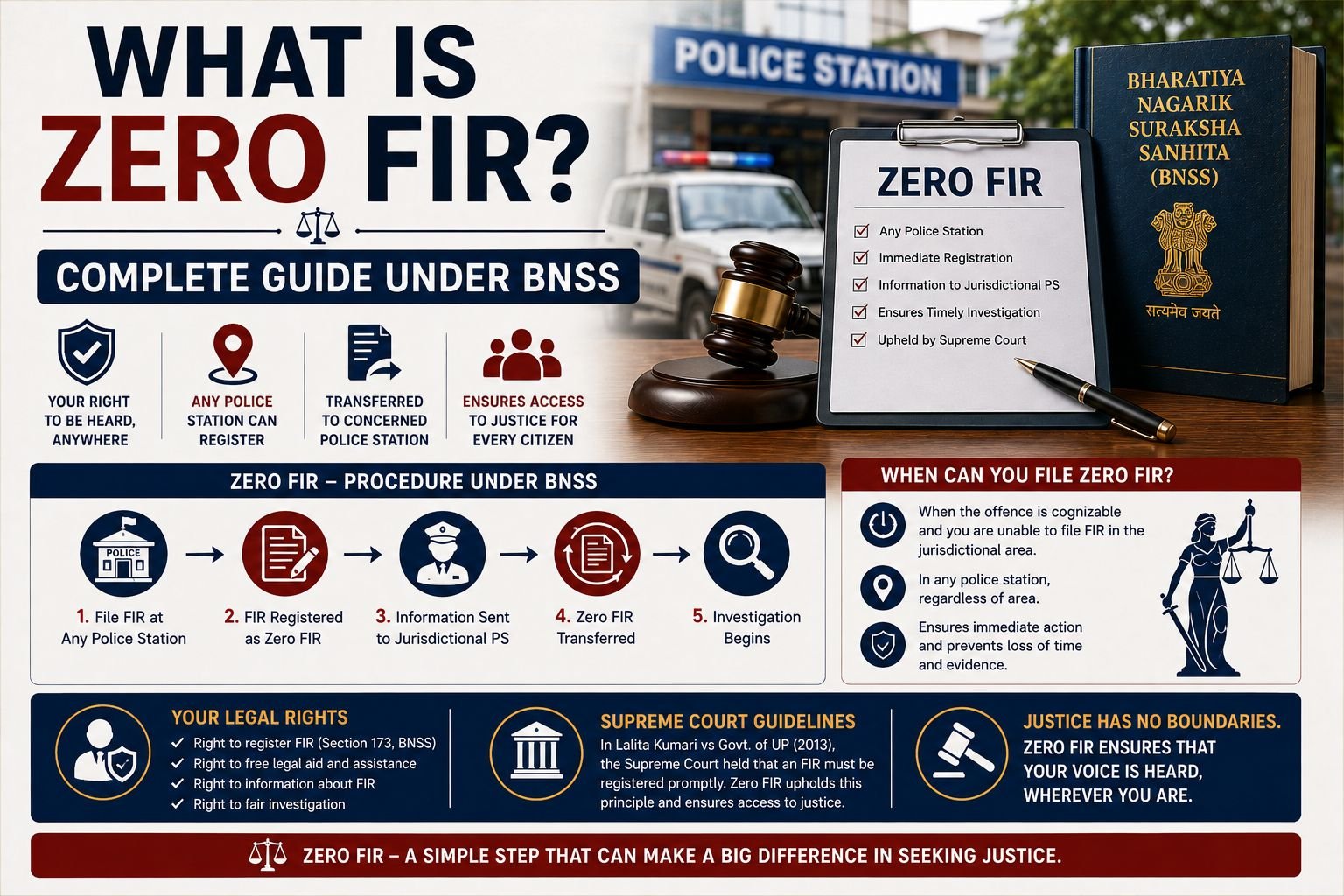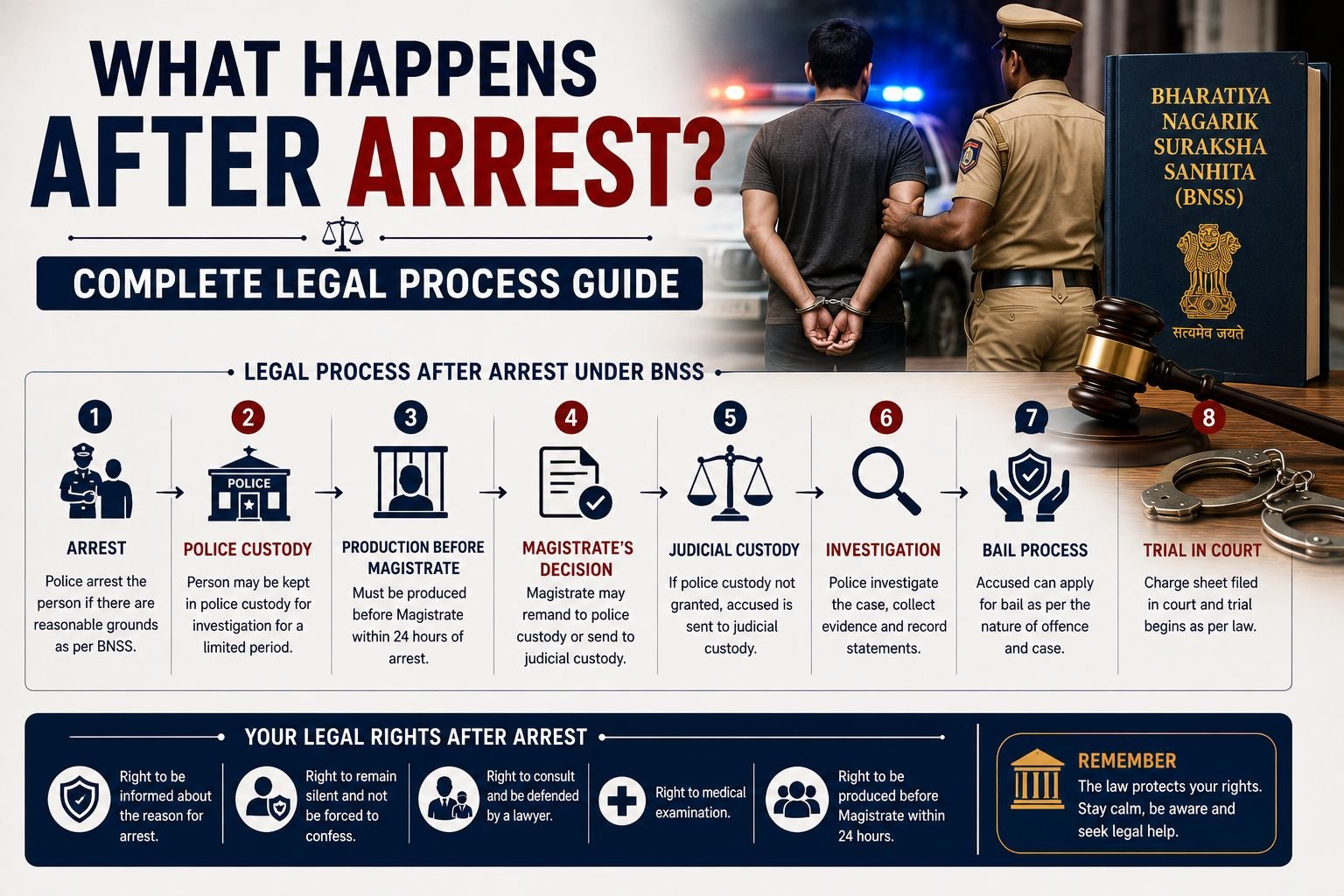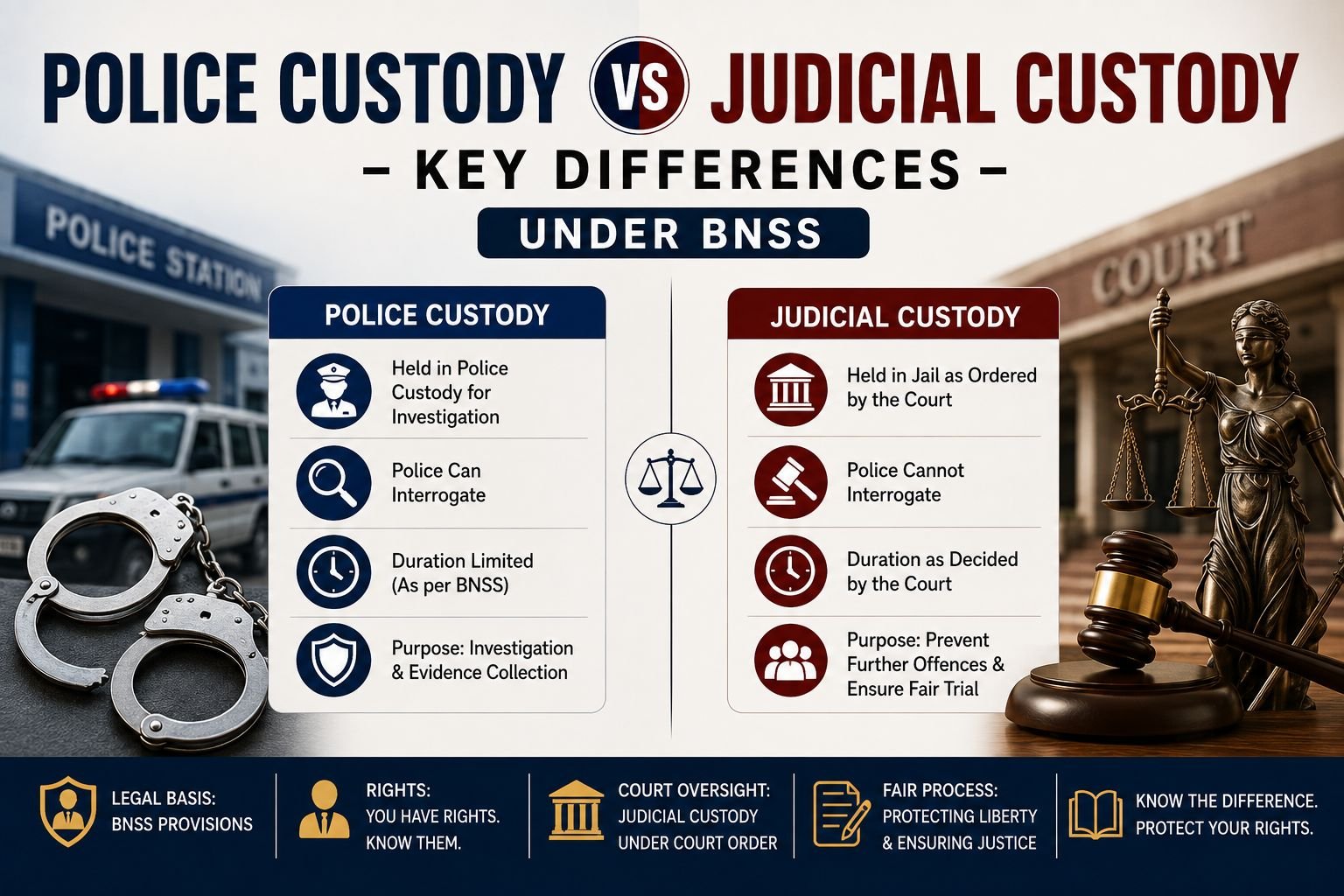
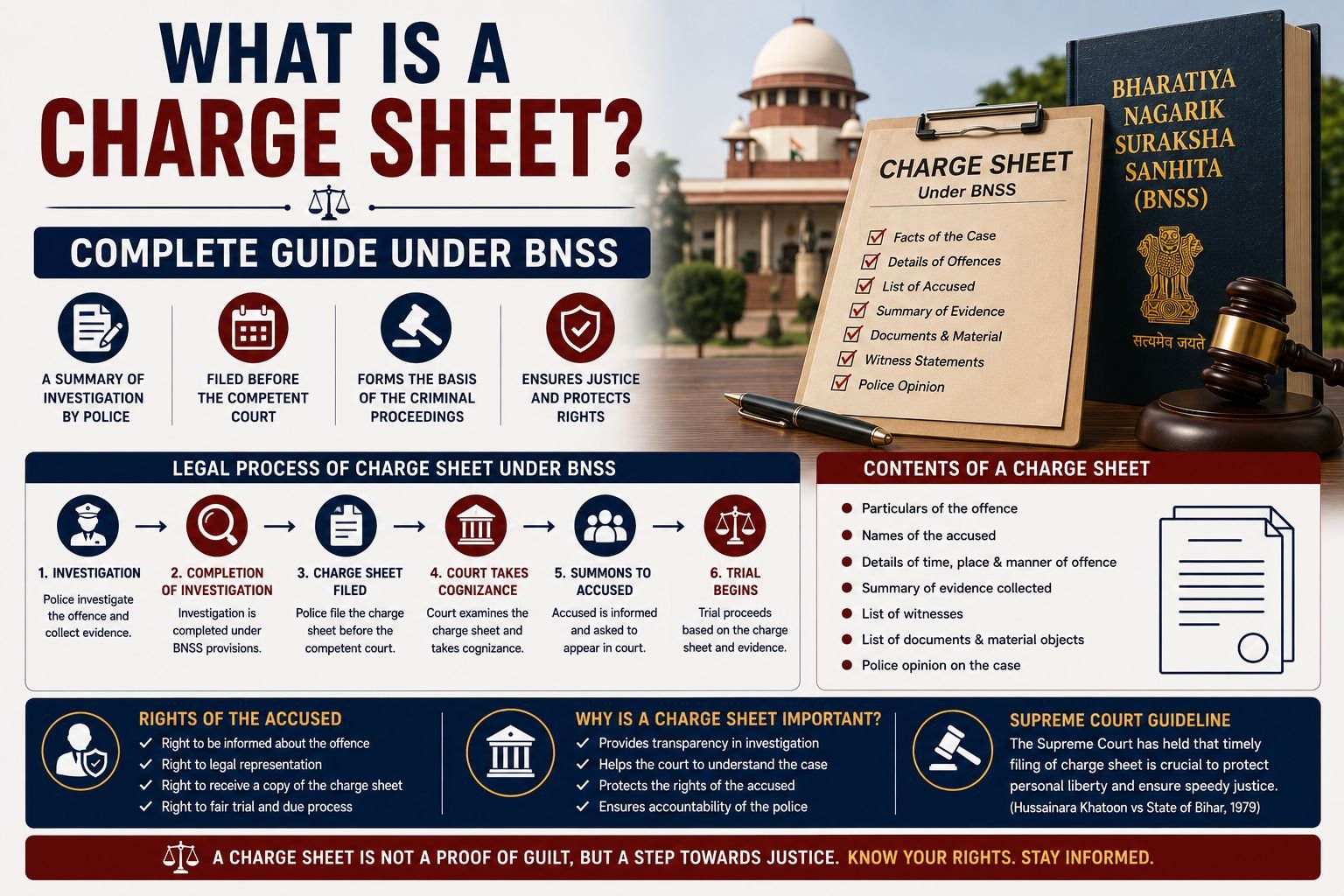
A charge sheet is one of the most important documents in a criminal case. It is the final investigation report prepared by the police after completing an investigation into a criminal offence. The charge sheet contains the evidence collected during the investigation, the names of the accused, witnesses, applicable legal provisions, and the police’s conclusion on whether there is sufficient material to prosecute the accused before a court.
Many people mistakenly believe that filing a charge sheet means the accused has been found guilty. This is incorrect. A charge sheet only indicates that the investigating agency believes there is enough evidence to proceed with prosecution. The court independently examines the material before deciding whether charges should be framed and the trial should continue.
The Bharatiya Nagarik Suraksha Sanhita, 2023 (BNSS) lays down the procedure for investigation and submission of the police report (commonly known as the charge sheet). The filing of a charge sheet marks the transition from the investigation stage to the trial stage in a criminal case.
In this guide, you will learn what a charge sheet is, when it is filed, what it contains, the legal process after filing, the rights of the accused, important Supreme Court judgments, and answers to frequently asked questions.
What Is a Charge Sheet?
A charge sheet is the final report submitted by the investigating officer before the competent Magistrate or court after completing the investigation into a criminal case.
It summarizes the findings of the investigation and informs the court whether sufficient evidence exists to prosecute the accused.
The charge sheet generally includes:
- Details of the accused.
- Nature of the offence.
- Facts of the case.
- Evidence collected.
- List of witnesses.
- Documentary evidence.
- Expert reports, where applicable.
- Applicable legal provisions.
- Opinion of the investigating officer.
Once the charge sheet is filed, the court decides the next stage of the criminal proceedings.
What Is the Purpose of a Charge Sheet?
The primary purpose of a charge sheet is to present the outcome of the police investigation before the court.
It helps the court determine:
- Whether sufficient evidence exists.
- Whether cognizance of the offence should be taken.
- Whether criminal proceedings should continue.
- Whether charges should be framed against the accused.
A properly prepared charge sheet also informs the accused of the allegations and the evidence that may be relied upon during the trial.
When Is a Charge Sheet Filed?
A charge sheet is filed after the police complete their investigation.
During the investigation, the police may:
- Record witness statements.
- Collect documentary evidence.
- Conduct searches and seizures.
- Obtain forensic reports.
- Recover stolen property.
- Examine digital evidence.
- Arrest suspects where necessary.
After evaluating all available evidence, the investigating officer prepares the charge sheet and submits it to the competent court in accordance with the BNSS.
If the police conclude that there is insufficient evidence, they may instead file a closure report.
Difference Between an FIR and a Charge Sheet
| Basis | FIR | Charge Sheet |
|---|---|---|
| Meaning | First information regarding a cognizable offence | Final police report after investigation |
| Stage | Beginning of investigation | Completion of investigation |
| Prepared By | Informant and police | Investigating Officer |
| Purpose | Registration of a criminal case | Inform the court of investigation findings |
| Evidence | Usually not included | Contains collected evidence |
| Court Proceedings | Investigation begins | Trial process may begin |
An FIR starts the criminal investigation, while a charge sheet concludes the investigation and places the case before the court.
Contents of a Charge Sheet
Although the contents vary depending on the facts of each case, a charge sheet generally includes:
1. Case Details
- FIR number.
- Police station.
- Date of registration.
- Case number.
2. Details of the Accused
- Name.
- Address.
- Age.
- Occupation.
- Identification details.
3. Details of the Complainant
Information relating to the person who lodged the complaint.
4. Nature of the Offence
The legal provisions alleged to have been violated.
5. Facts of the Case
A summary of the incident and the investigation conducted.
6. Witness List
Names and details of witnesses whose testimony may be relied upon.
7. Documentary Evidence
Relevant documents collected during the investigation.
8. Expert Reports
Where applicable, reports from forensic laboratories, medical experts, handwriting experts, or other specialists.
9. Seized Property
Details of articles or property seized during the investigation.
10. Opinion of the Investigating Officer
The investigating officer’s conclusion regarding whether sufficient evidence exists to prosecute the accused.
What Happens After a Charge Sheet Is Filed?
After the charge sheet is submitted:
Court Examines the Charge Sheet
The court reviews the investigation report and accompanying documents.
Taking Cognizance
If the court finds sufficient grounds, it may take cognizance of the offence.
Supply of Documents
The accused is generally entitled to receive copies of relevant documents in accordance with the BNSS.
Framing of Charges
The court considers whether there is sufficient material to frame charges against the accused.
Trial Begins
If charges are framed, the criminal trial proceeds with recording of evidence, examination of witnesses, cross-examination, and final arguments.
Can a Charge Sheet Be Challenged?
Yes. Depending on the facts and applicable law, the accused may challenge the charge sheet or seek appropriate relief before the competent court.
Possible legal remedies may include:
- Seeking discharge where legally permissible.
- Filing a petition to quash proceedings before the High Court in appropriate cases.
- Challenging procedural irregularities.
- Contesting the evidence during trial.
The appropriate remedy depends on the circumstances of each case.
Rights of the Accused After Filing of the Charge Sheet
Even after a charge sheet is filed, the accused continues to enjoy constitutional and legal protections.
These include:
- Right to a fair trial.
- Right to legal representation.
- Right to receive relevant documents as provided by law.
- Right to apply for bail where permissible.
- Right to cross-examine prosecution witnesses.
- Right to produce defence evidence.
- Presumption of innocence until proven guilty.
The filing of a charge sheet does not amount to a conviction.
Charge Sheet vs Closure Report
| Charge Sheet | Closure Report |
|---|---|
| Filed when sufficient evidence is found | Filed when evidence is insufficient |
| Court may proceed with prosecution | Court may accept or reject the report |
| Trial may follow | Case may close unless further action is directed |
| Indicates police believe prosecution is justified | Indicates police do not recommend prosecution |
Important Supreme Court Judgments
Lalita Kumari v. Government of Uttar Pradesh (2014)
The Supreme Court emphasized the mandatory registration of FIRs in cognizable offences, ensuring that investigations begin promptly and proceed according to law.
Vinay Tyagi v. Irshad Ali (2013)
The Court discussed the importance of fair investigation and clarified aspects relating to police reports, supplementary reports, and the role of the court in criminal proceedings.
These decisions reinforce the principles of fairness, transparency, and judicial oversight in criminal investigations.
Common Misconceptions
Myth 1: Filing a Charge Sheet Means the Accused Is Guilty
Reality: A charge sheet is only the police’s investigation report. Guilt is determined by the court after a fair trial.
Myth 2: A Charge Sheet Cannot Be Challenged
Reality: Appropriate legal remedies may be available depending on the facts of the case.
Myth 3: Every FIR Results in a Charge Sheet
Reality: If the investigation does not reveal sufficient evidence, the police may file a closure report instead.
Myth 4: The Court Must Accept Every Charge Sheet
Reality: The court independently examines the material before deciding how the case should proceed.
Frequently Asked Questions
1. What is a charge sheet?
A charge sheet is the final investigation report submitted by the police before the court after completing the investigation.
2. Who prepares a charge sheet?
The investigating officer prepares and files the charge sheet before the competent court.
3. Is a charge sheet proof of guilt?
No. It is only the police’s opinion that sufficient evidence exists to prosecute. Guilt is decided by the court.
4. Can a person get bail after a charge sheet is filed?
Yes. Bail may be sought after the filing of a charge sheet, subject to the applicable law and the court’s discretion.
5. Can a charge sheet be amended?
Where legally permissible, supplementary reports may be filed if additional evidence is discovered during further investigation.
6. What happens if no charge sheet is filed?
The legal consequences depend on the facts of the case and the applicable provisions of the BNSS, including the rights of the accused where investigation is delayed.
7. Can a charge sheet be quashed?
In appropriate cases, the High Court may exercise its jurisdiction to quash criminal proceedings in accordance with the law.
8. Is a charge sheet the same as an FIR?
No. An FIR initiates the investigation, whereas a charge sheet concludes the investigation and places the case before the court.
9. Does the court automatically frame charges after receiving a charge sheet?
No. The court examines the material before deciding whether sufficient grounds exist to frame charges.
10. Can further investigation continue after filing a charge sheet?
Yes. In appropriate cases, the investigating agency may conduct further investigation and submit a supplementary report in accordance with the law.
Conclusion
A charge sheet is a crucial document in the criminal justice system, marking the completion of the police investigation and the beginning of judicial scrutiny. It provides the court with the facts, evidence, witness details, and legal provisions relied upon by the investigating agency to support the prosecution.
However, the filing of a charge sheet does not establish guilt. The accused continues to enjoy the presumption of innocence, the right to legal representation, and the right to a fair trial. The court independently evaluates the evidence before framing charges and ultimately decides the case based on the evidence presented during trial. Understanding what a charge sheet is and how it functions under the BNSS helps both accused persons and complainants better understand the criminal justice process.